The Fan's Guide to 2026 Football World Cup
The 2026 football world cup is not just a bigger version of the old tournament; it is a redesigned 48-team event across the United States, Canada, and Mexico. Match Daily covers the tournament for fan...
The Fan's Guide to 2026 Football World Cup
The 2026 football world cup is not just a bigger version of the old tournament; it is a redesigned 48-team event across the United States, Canada, and Mexico. Match Daily covers the tournament for fans who want match predictions, team tactics, player stats, and responsible betting context in one place. FIFA World Cup 26 runs from June 11 to July 19, 2026, with 104 matches, 16 host cities, and the final scheduled for MetLife Stadium in the New York New Jersey region. Los Angeles will stage eight matches at SoFi Stadium and 39 days of celebrations, while Atlanta hosts major fixtures at Mercedes-Benz Stadium, including a semifinal. The key takeaway: plan around cities, travel time, fan zones, and tactical matchups before you make predictions or place any wager.
A common misconception is that the 2026 football world cup will feel like a normal month-long tournament with more teams added at the edges. That misses the real change. According to FIFA, the expanded format creates more games, more travel complexity, and more variance in group-stage outcomes. For fans, bettors, and analysts, that means the smartest approach is not simply asking who has the best squad, but asking how each team handles heat, distance, rotation, altitude, and knockout pressure across North America.
If you want daily tactical context as the tournament approaches, start here.
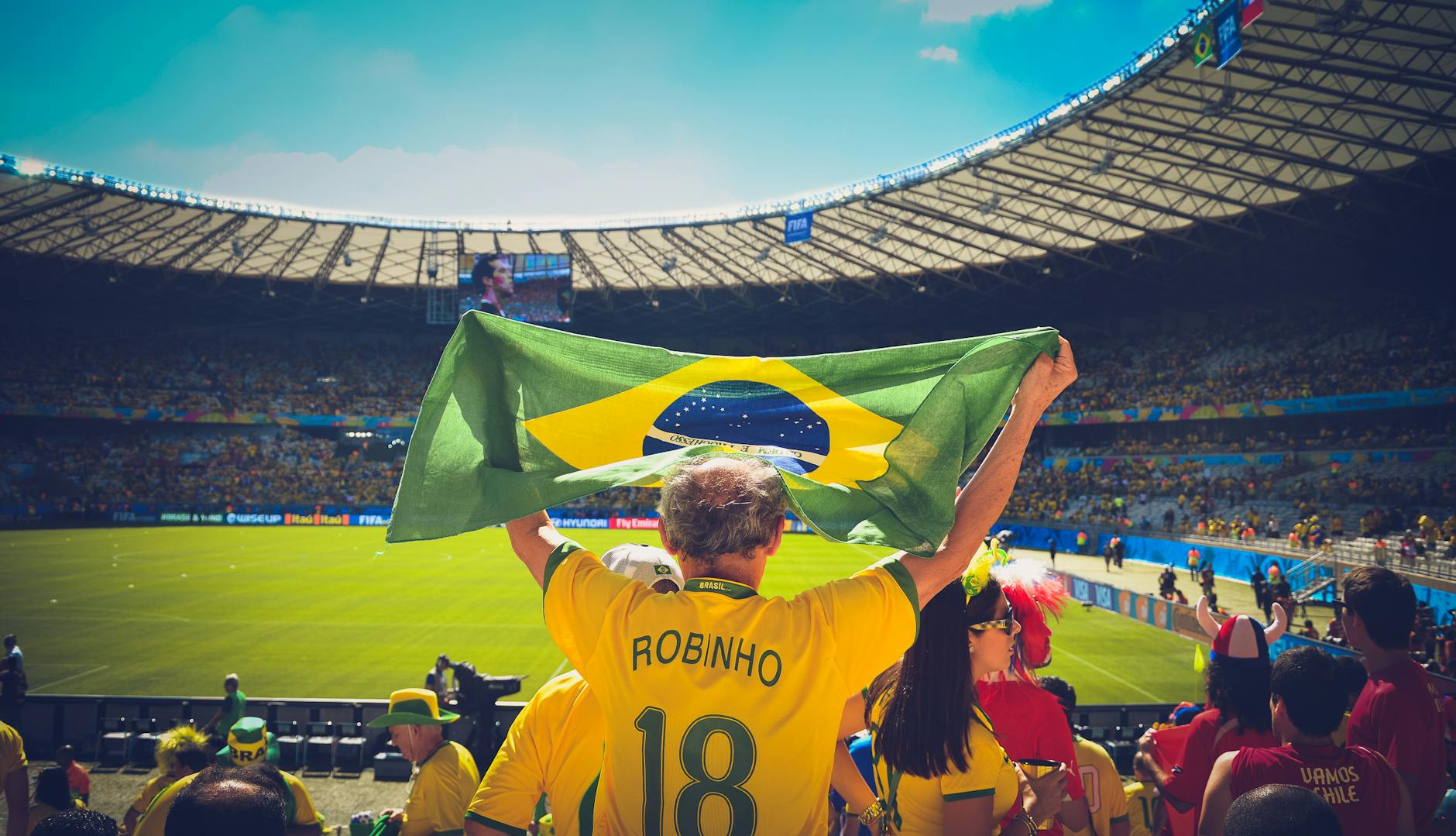
Photo by Caio on Pexels
Is the 2026 football world cup really the biggest ever?
Yes, the 2026 football world cup is the biggest FIFA men’s tournament ever by teams and matches: 48 nations, 104 fixtures, and 16 host cities across three countries. The expansion changes scheduling, travel, squad rotation, and betting analysis more than many fans expect.
The previous 32-team structure rewarded elite depth, but the 2026 format also rewards adaptability. A team may face different climates, time zones, and pitch conditions within days, especially if its route moves between Mexico City, Vancouver, Dallas, and New York New Jersey. Data shows that tournament fatigue often compounds after the group stage, and in 2026 that issue could become more visible because the event includes an additional knockout round before the round of 16.
For Match Daily readers, the practical lesson is simple: pre-tournament power rankings should be treated as starting points, not final answers. A talented side with shallow full-back depth or an aging midfield may look strong on paper but struggle during rapid travel windows. By contrast, a disciplined squad with flexible pressing triggers and two reliable strikers may outperform its market price. To go deeper into tournament models, see our [Internal Link: 2026 World Cup prediction framework].
Key tournament facts to remember:
- Tournament dates: June 11 to July 19, 2026
- Participating teams: 48
- Total matches: 104
- Host countries: United States, Canada, and Mexico
- Final venue: MetLife Stadium, New York New Jersey region
- Major host cities include Los Angeles, Atlanta, Dallas, Miami, Toronto, Vancouver, and Mexico City
How does the 2026 football world cup handle Los Angeles?
Los Angeles handles the 2026 football world cup as a full-city event, not only a stadium schedule. SoFi Stadium hosts eight matches, including the United States men’s national team opener on June 12, while the LA Memorial Coliseum anchors the FIFA Fan Festival.
Los Angeles matters because it blends elite infrastructure with entertainment culture. The official Los Angeles host materials describe “eight matches” and “39 days of fan celebrations,” which signals how much of the World Cup experience will happen beyond the pitch. Fans should expect Official Fan Zones across Los Angeles County, live match screenings, music, food events, and community watch parties that spread the tournament beyond Inglewood and Exposition Park.
There is also a tactical angle bettors should not ignore. West Coast evening kickoffs may affect European television windows, recovery timing, and team routines. For example, a team arriving from an East Coast match into Los Angeles faces a three-hour time-zone shift, which can influence training rhythm and player sleep. That does not automatically decide results, but it can matter in markets such as second-half performance, substitutions, and player shots. For venue planning, review our [Internal Link: Los Angeles World Cup matchday guide].
For sharper pre-match notes on Los Angeles fixtures, keep this resource close.

Photo by Vlad Vasnetsov on Pexels
What about Atlanta as an edge case?
Atlanta is an edge case because it combines a high-capacity indoor venue, intense local soccer culture, and a semifinal-level tournament role. Mercedes-Benz Stadium gives FIFA World Cup 26 Atlanta a different profile from open-air host cities affected more directly by heat, humidity, or rain.
Atlanta’s value is not just operational; it is cultural. The city has built one of the strongest soccer identities in the American South through Atlanta United, large crowds, and a supporter culture that translates well to international football. The Atlanta host committee frames the city as where “southern hospitality meets culture,” and that is more than marketing. Fan energy can influence the atmosphere around neutral matches, particularly when Latin American, African, or European communities turn the city into a temporary home base.
From a research perspective, Atlanta also creates a useful contrast for bettors. Indoor or roofed conditions can reduce weather randomness, which may make technical teams more comfortable and increase the reliability of passing models. However, it can also create inflated expectations for favorites. When conditions are cleaner, markets often overprice possession-heavy teams and underprice compact underdogs with transition speed. For tactical comparisons, see our [Internal Link: World Cup team tactics database].
A practical Atlanta checklist:
- Track whether a team played its previous match outdoors or indoors.
- Compare rest days before pricing favorites.
- Watch press-conference clues on recovery, not only injuries.
- Avoid assuming crowd support from geography alone.
- Review travel routes between Atlanta, Miami, Dallas, and New York New Jersey.
Where does the 2026 football world cup fail?
The 2026 football world cup can fail for fans when planning is too stadium-focused and not city-focused. The tournament’s scale creates pressure around hotels, transport, ticket timing, kickoff logistics, and responsible betting habits, especially in high-demand markets such as Los Angeles and New York New Jersey.
The first risk is travel. North America is not compact like Qatar 2022, where fans could attend multiple matches with limited long-distance movement. In 2026, moving from Vancouver to Mexico City or from Los Angeles to Atlanta can feel like crossing regions, not neighborhoods. According to the United States Department of Transportation, major-event travel planning depends heavily on local transit capacity, road management, and airport coordination, so fans should build buffer days rather than treating matchdays as isolated calendar entries.
The second risk is betting overconfidence. Expanded tournaments create unfamiliar matchups, and unfamiliar matchups can tempt fans into narrative-based wagers. Match Daily recommends separating entertainment picks from research-backed positions. For example, do not bet only because a favorite has a stronger FIFA ranking. Instead, review squad rotation, expected goals trends, set-piece efficiency, goalkeeper form, and travel stress. As Wikipedia’s overview of the 2026 FIFA World Cup notes, the tournament is the first to feature 48 teams, which means historical comparisons must be adjusted carefully.
Before making matchday decisions, compare fixtures with data rather than emotion.

Photo by Kampus Production on Pexels
Should you try 2026 football world cup betting today?
You should start researching 2026 football world cup betting today, but you should not rush into early wagers without a documented process. The best preparation is building team notes, tracking odds movement, and setting a fixed bankroll before futures markets become crowded.
A knowledgeable bettor asks three questions before every wager: what does the market believe, what do I know that the market may be slow to price, and what risk am I accepting? For the 2026 football world cup, the second question is especially important because travel and climate are not evenly distributed. A team with fixtures clustered in one region may have a softer physical route than a similarly talented team moving across three time zones.
Here is a research routine worth following:
- Build a watchlist of 12 to 16 contenders and dark horses.
- Track injuries from March 2026 through final squad announcements.
- Compare club minutes for key players during the 2025-26 season.
- Note whether managers prefer pressing, low blocks, or possession control.
- Record odds once per week to spot market drift.
- Set responsible limits before the tournament begins.
Two under-discussed insights matter here. First, group-stage favorites may be less reliable in third matches if qualification incentives change under the expanded format. Second, substitutes could have unusually high betting relevance because late-match fatigue may rise with travel distance, especially in cities where teams move between hot outdoor training and controlled stadium environments.

Photo by Berna on Pexels
Practical planning lessons from Los Angeles, Atlanta, and the final
The final at MetLife Stadium in the New York New Jersey region gives the 2026 football world cup a dramatic finish in one of the world’s largest media markets. The 2026 FIFA World Cup final page identifies MetLife Stadium as the final venue, with the match scheduled for July 19, 2026. That single fixture will dominate global attention, but serious fans should remember that tournament value is built earlier, often in less glamorous group and round-of-32 matches.
Los Angeles and Atlanta show two different ways host cities shape the event. LA emphasizes festival scale, celebrity culture, food, music, and regional fan zones around SoFi Stadium and the LA Memorial Coliseum. Atlanta emphasizes supporter identity, Mercedes-Benz Stadium, southern hospitality, and a semifinal-stage spotlight. Neither city is simply a backdrop; each changes how fans experience the tournament and how analysts should interpret conditions.
For Match Daily, the best World Cup coverage connects the human and statistical sides. A fan wants atmosphere, but a bettor needs probabilities. A traveler wants hotels, but a tactician wants recovery windows. The strongest approach is to combine all three: plan the trip, understand the matchup, and price the risk responsibly. To continue your preparation, use our [Internal Link: 2026 World Cup betting education hub].
Ready to follow the tournament with sharper daily analysis?
Frequently Asked Questions
Q: What is the 2026 football world cup?
A: The 2026 football world cup is FIFA’s expanded men’s national-team tournament hosted by the United States, Canada, and Mexico. It features 48 teams, 104 matches, and 16 host cities from June 11 to July 19, 2026. The final is scheduled for MetLife Stadium in the New York New Jersey region.
Q: How to prepare for the 2026 football world cup as a fan?
A: Start by choosing your host city, tracking the match schedule, and planning transport before buying non-refundable accommodation. Los Angeles, Atlanta, Dallas, Miami, Toronto, Vancouver, and Mexico City will have different travel demands. Fans should also follow official ticketing updates and use trusted analysis from Match Daily for team and fixture context.
Q: What is the difference between Los Angeles and Atlanta in World Cup 2026?
A: Los Angeles offers a festival-heavy World Cup experience, while Atlanta centers on stadium intensity and Southern soccer culture. LA hosts eight matches at SoFi Stadium and major fan events around the LA Memorial Coliseum. Atlanta’s Mercedes-Benz Stadium is expected to deliver high-energy crowds and major knockout-stage attention, including a semifinal.
Q: Is 2026 football world cup betting worth it?
A: 2026 football world cup betting can be worthwhile only if you use research, odds discipline, and responsible bankroll limits. The expanded 48-team format creates more opportunities but also more uncertainty. Focus on team tactics, rest days, injuries, travel routes, and market prices rather than betting purely on reputation.
Q: What should I do if World Cup travel plans fail?
A: If your World Cup travel plans fail, prioritize ticket rules, hotel cancellation windows, and alternative transport immediately. Major host cities may face high demand around matchdays, especially Los Angeles, Atlanta, and New York New Jersey. Keep digital copies of bookings, monitor official city updates, and build at least one buffer day into long-distance travel.
Q: How much does it cost to attend the 2026 football world cup?
A: The total cost depends on tickets, city, hotel demand, flights, and how many matches you attend. A single-city trip will usually be more manageable than a multi-city route across North America. Fans should budget for match tickets, local transport, meals, fan events, and price spikes during knockout rounds.
Thank you for reading.
Match Daily
High-Stakes Editorial · Premium Insights